Last Tuesday morning, I took one of my new neighbors from Afghanistan, along with his 10 year-old son, to get a COVID test. The boy was having dental surgery on Thursday, and he first needed to get a COVID test. At 8:30 I pulled up to their apartment and out they came. Now neither the father nor the son speak much English, and I don’t speak any Pashto, so I knew it was going to be a quiet ride.
“How are you?”
“Good,” the father said.
“Good. So…you’re good. That’s…good.”
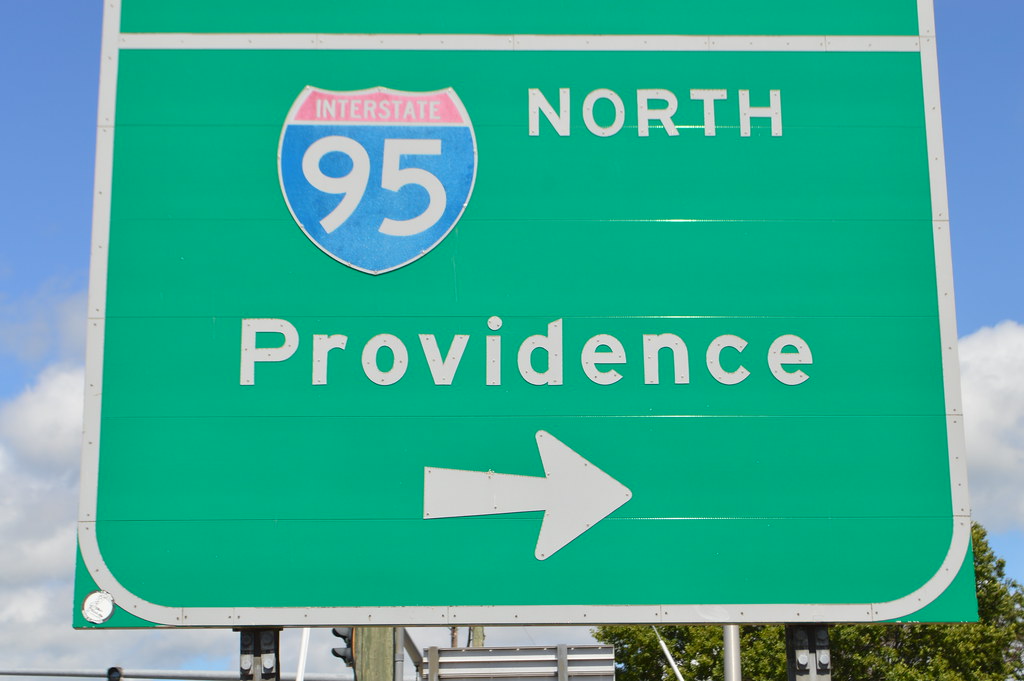
This went on for about 10 minutes. I don’t think the father minded the quiet. If there’s one thing I’ve come to learn from my new neighbors it’s that the only thing refugees expect from anyone is a safe, quiet world to live and raise their kids in. Which is all any of us should expect. But the quiet was killing me. So I began to point out everything in sight like I was giving a vocabulary lesson. “Radio. Snow. Snow plow. Exit. Sign. Says Providence.” The father would smile, but never say anything.
After the COVID test, we dropped his son off at school, which left just the two of us in the car together. Pulling up the long driveway to his apartment building, it was still very quiet, when suddenly I heard him say, “Exit. Snow plow. Providence. Radio.”
“Hey! That’s very good.” I didn’t think he’d really been listening to anything I’d been saying.
“You…my…teacher. Thank you.” Well, I don’t know about that, I thought to myself.
Pulling up to his front door, he said to me, “Come in. Eat.”
I had given him Exit, Snow plow, Providence, and Radio. Which isn’t nothing. But he was giving me bread and a seat at the table. “You…my…teacher. Thank you,” I said to him.

Saint Francis of Assisi once famously said, “Preach the good news at all times. If necessary, use words.” Of course, what Francis failed to include is, if it is necessary to use words, make them few and small. Like, bread, and thank you.

 PleaseGrace