It’s Ash Wednesday, again.
Every year when this day comes around I feel two things within me. Two messages like two competing forces. On Ash Wednesday I am Luke Skywalker and Darth Vader all at once. Two universal symbols of light and dark, good and evil, battling it out with lightsabers in a galactic battle for power.
The truth is, on Ash Wednesday, it feels like the dark side wins. At least it appears that way, and appearances, they say, are 90% of our thinking (I don’t know who “they” are, and I could be making up this bit about the 90%, but personal experience tells me I’m not). Because on Ash Wednesday we go with a symbol that is dark. Not only do we put ashes on our forehead—right out in the open where everyone can see them—but we put them in the shape of a cross. And are there any darker symbols in all of history than these two things? Ashes, a reminder of the things we burned up and now can’t go back on, and a cross, a reminder of the terrible, tortuous things we sometimes do to each other as human beings. Why do we do this every 365 days? Like clockwork. I could just as easily be asking why people return to the scene of a crime. It may be to keep ourselves from forgetting our capacity for evil. A safeguard against the arrogance of thinking we’re too good to ever mess up that badly. It could also be to remind ourselves of our capacity to heal. To look back at what’s been done by us, or to us, and to exult in realizing we have overcome. We are not victims of our past but survivors of the present and believers in the future. Put on your ashes, it’s time to party!
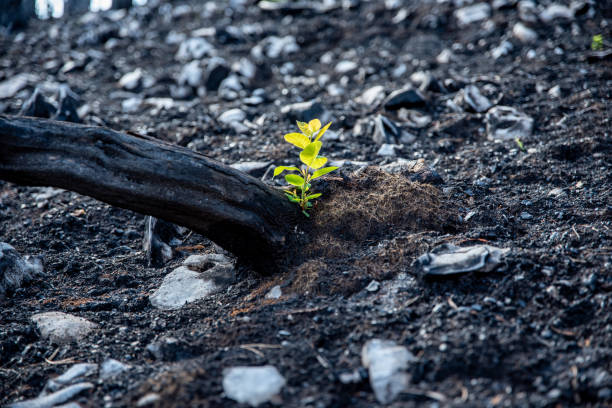
But ashes are also a visible sign pointing to where there used to be fire, and a cross a faint echo of a life once given in sacrificial love.
It says something to me that on Ash Wednesday no one puts ashes on their own forehead and then stays home. Rather, we meet up with each other. We meet up with each other and then we let each other plant the sign of the ashen cross on our forehead while everyone else looks on (and they will be looking on, for it’s such a strange sight to see). To do this, we must first let each other get close enough to also see where the wrinkles have begun to form on our weathered cheeks, or where the acne has sprouted on our adolescent chin, or where the innocence of our childhood still shines unblemished on our nose. To take part in Ash Wednesday we must risk the embarrassments of our humanity, those parts we might otherwise wish to cover up or change, but cannot. On Ash Wednesday we get seen, and we get defined. “You are dust, and to dust you shall return.” In our A.I. world where it’s getting increasingly harder to tell what’s real and what’s not, this is what’s real about us. As unavoidable as the ashes and the cross, the dust, in the words of the Psalmist, is what knits us all together from our mothers’ wombs (Psalm 139:13). This is who we are, all of us. Made from the dust of the earth; sure to become so again one day. It will happen to kings and queens, it will happen to you and me.
If it all has the sound and appearance of darkness to it, it’s supposed to. Darkness is what happens when a fire burns out and all that remains is ashes. Darkness, said the Gospel writer, is what came over the earth when Jesus hung humanly helpless on the cross (Mark 15:33). But ashes are also a visible sign pointing to where there used to be fire, and a cross a faint echo of a life once given in sacrificial love.
I don’t know about you, but on this Ash Wednesday I don’t want to wear my ashes around in darkness. I’m tired of darkness and of all that comes with it. I’ve seen enough reminders of the cross and of terrible humanity lately. Today, I am going to wear my ashes in hope of humanity; as a joyful reminder of our capacity to burn like fire, to give off light, to be luminaries of healing kindness and sacrificial love, survivors of the present and believers in the future.
 PleaseGrace